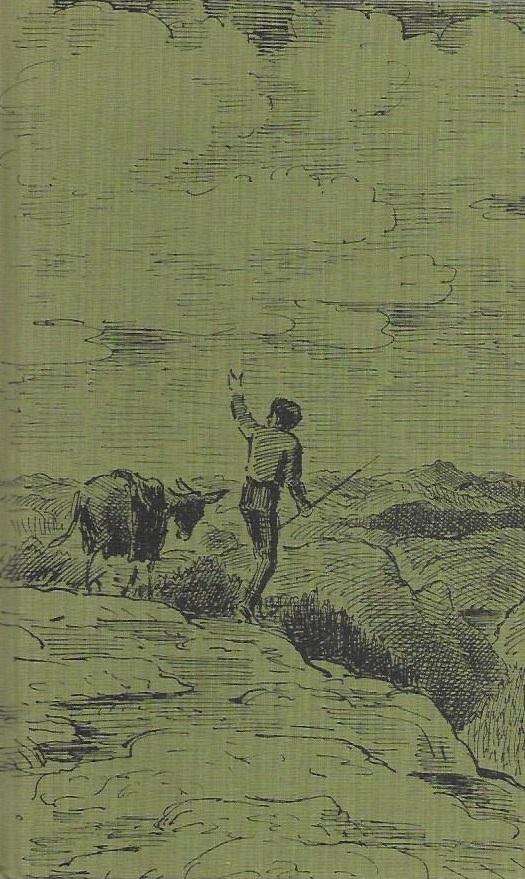

More disquieting news hits the headlines with suggestions that electric vehicles – and their batteries – may not be the future that we’ve been led to expect. Not to put too fine a point on it, there’s not enough stuff to go around to replace all the existing internal combustion powered vehicles and a lot of people will find themselves without alternative means of transport other than what they’re standing on.
Here in the South West moves are afoot (hah!) to mitigate the shortage of powered vehicles by replacing EV with OV.
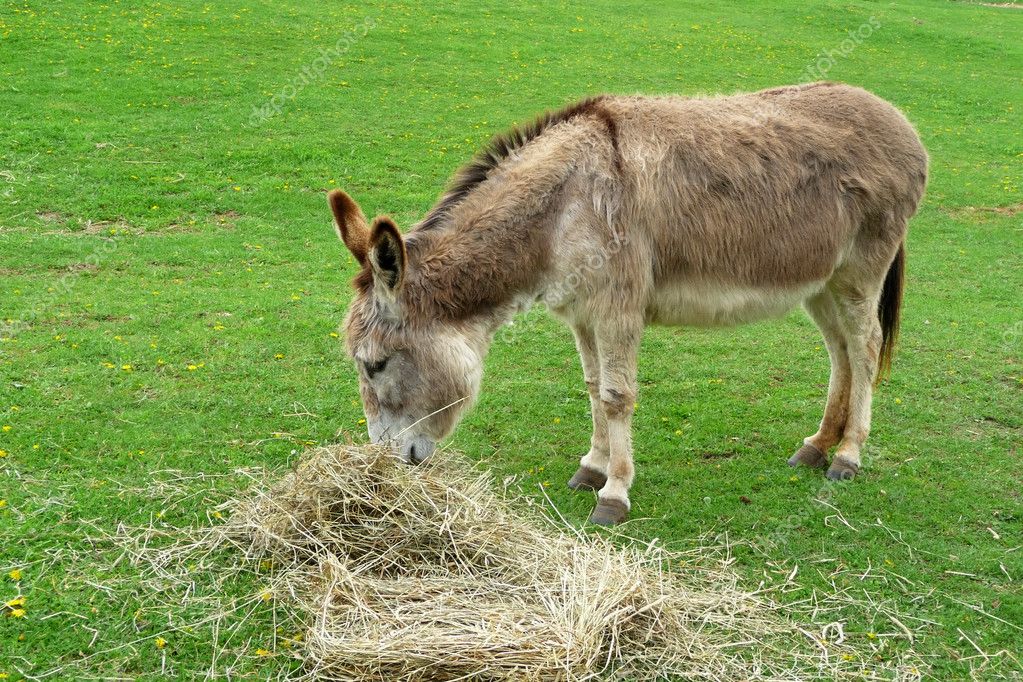
Organic vehicles are the natural – and sustainable – answer to our transport issues. As you can see in this photograph, new houses in the county are already being fitted with OV charging stations.
.

.
The benefits of organic vehicles are clear. Fuel is plant-based and can be grown locally, anywhere in the country. The waste product from the vehicles has intrinsic value due to its innate circularity. This by-product of the OV system – and there will always be an exhaust system wherever power is harnessed – is simply collected and returned to the soil from whence the fuel came – quite literally.
OV charging stations need no connection to an electricity supply. The bio-fuel is a fodder-crop that can be handled from wheelbarrow to feed-rack via a garden fork. All of these things are naturally circular, so there is little or no waste in the OV charging infrastructure.
.
Because there is no need for any external power connection, OV charging stations can be placed almost anywhere. Here we see a temporary OV charging facility set up on a village green.
.
.
.
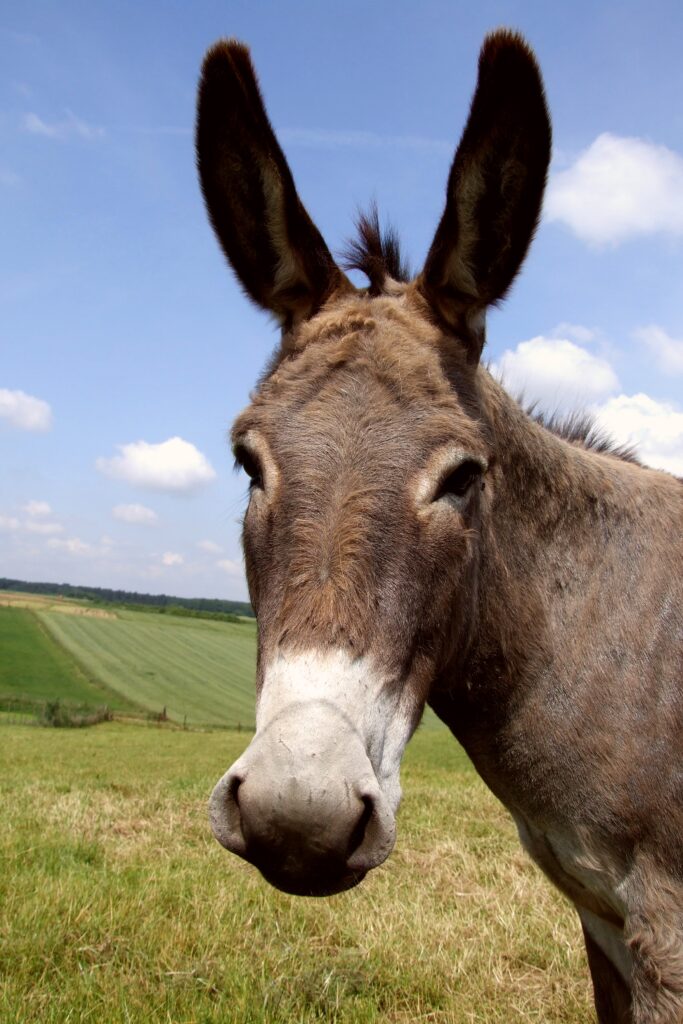
Accepting the limitations
Whilst the benefits of Organic Vehicles are clear to see, it will not be practical to imagine their wholesale introduction into the urban environment. Towns and cities will be unhealthy places even with reduced carbon emissions from motor transport. There are too many people and not enough green spaces. The road congestion that we see today would only be replaced with the kind of chaos that was witnessed in the Victorian period and this doesn’t suit the sensibilities of the city dweller.
But as a rural and semi-rural mode of transport, this is the way to the future. Embrace your donkey NOW.
.
.
.
.
Essential Summer reading: Travels with a Donkey in the Cevennes, by Robert Louis Stevenson (1879)