

News comes from the USA that streetlighting is encouraging the growth of an invasive species that is putting native grasslands at risk. Research published by Wiley Online Library reports evidence that the spread of cheatgrass (bromus tectorum) can be linked to the presence of streetlighting.
.
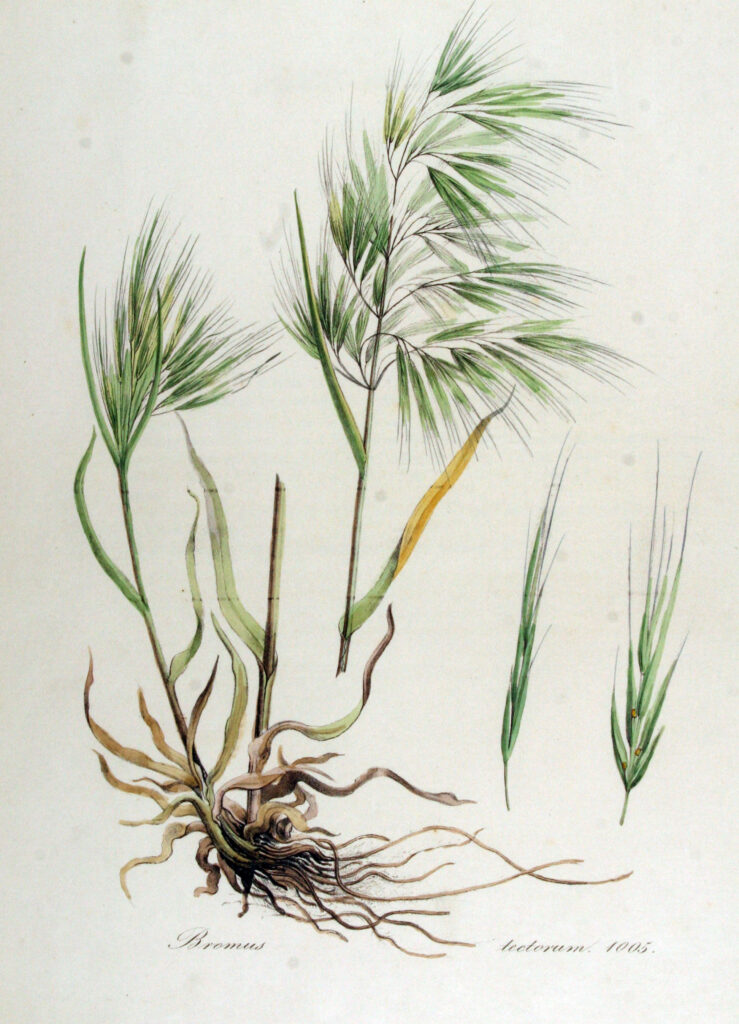
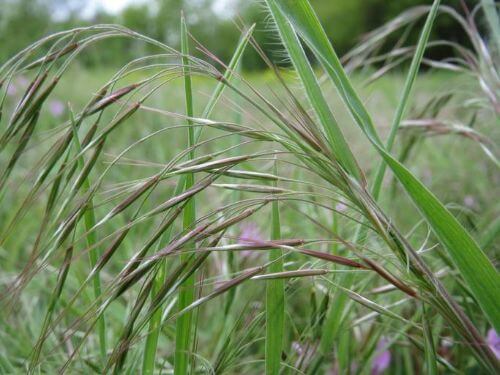
Cheatgrass is considered a weed that grows in pasture and range lands and on land intended for wheat cultivation. At the moment it’s a constant problem for farmers because it has a more superior root system to native crops and grasses and is able to draw water from soil, wilting other plants.
It is also a fire hazard.
Because cheatgrass grows faster it also dries faster, making it highly flammable, which can easily kindle fires. And that’s another reason why so many people want to get rid of it.
The cheatgrass problem is currently prevalent in the USA, where the lighting research was carried out, but cheatgrass is well known in the UK.
The researchers carried out surveys in urban alleyways in Denver CO, comparing the presence of cheatgrass at locations with and without streetlighting. The findings indicate that cheatgrass is linked with the presence of streetlighting, even in urban settings. Although cheatgrass is seen as an agricultural problem, the researchers suggest that more consideration needs to be given to such invasive species in the urban environment.
The reason? Cheatgrass is clearly benefitting from the anthropogenic changes brought about by climate change.
In other research, Bromus tectorum has demonstrated ‘positive’ responses to changes in the concentration of atmospheric carbon dioxide. Laboratory experiments have shown that the plant is growing larger. Rising carbon dioxide has decreased the plant’s digestibility, making it less attractive to grazing species, leaving it standing while other plants are consumed. And what this could mean in practice is that cheatgrass may become a greater contributor to wildfire frequency and intensity.
So, at the moment, the rise and rise of cheatgrass (also known as downy brome or downy chess) is considered to be an agricultural problem. But if this is a plant species that thrives under streetlighting, combined with a fast and aggressive rooting system and easy air-borne seed distribution (a single plant can produce up to 5000 seeds), then it could become a problem for the urban and suburban community very soon. Let’s not forget that wildfires can start in the outlying areas of settlements and move quickly into the built environment.
Time to pay a bit more attention, I think.
.
.
.