

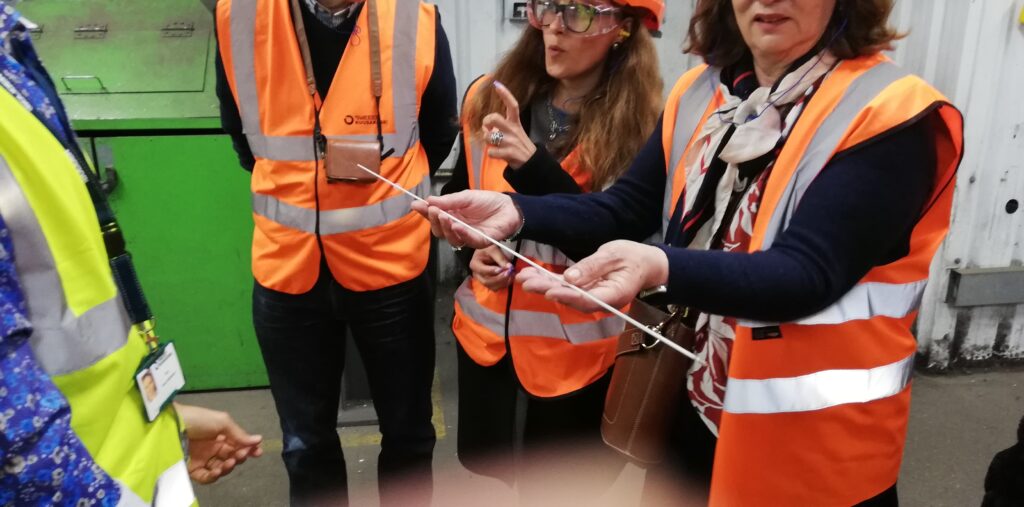
I was invited by Recolight to visit SWEEEP Kuusakoski in Sittingbourne, Kent to see a WEEE recycling centre in action. It was very much a compare and contrast experience. Recycling is not a new idea. One hundred and fifty years ago, every city had its Dust Heaps; collection points around the edge of towns and cities where the detritus of urban living ended up. So we’re able to compare our attitude to dealing with redundant stuff with that of our ancestors (still one of ‘out of sight; out of mind’) while contrasting the sort of the materials that make up our 21st century Dust Heaps – and the very different approach that we’re obliged to take to the salvage operation from the shades of our predecessors.
.
But the collection of ‘dust’ wasn’t the end of the story. Dickens describes in Our Mutual Friend one of the Great Dust Heaps of London and the life of Noddy Boffin, the ‘King of Dust’. Mr Boffin knew that there was a future – and a fortune – to be made from other people’s throwaways.
Ash (breeze) and clinker from the fireplace went to local brickmakers (which is where we get breezeblock and cinder block from). Salvageable items, mainly crockery and metal pans – and the occasional gold ring – were salvaged and either sold or re-purposed. And . . . domestic waste – hmmm, now there’s a euphemism if ever there was – was sold to farmers as manure;
But, at root, those Angels of the Dust were just dealing with our crap. And they still are.
TS Eliot wrote “In my end is my beginning.” At least the poet was awake to the effects of living a modern life. Most of us have been programmed to ignore the throwing-away bit. Its rare to see a lifestyle advert on TV that focuses on the endgame – apart from Andrex adverts and cute puppies, of course. I wonder if the ‘puppy’ in the ad is meant to represent something else – not so cuddly – something a bit more ‘poopy’ maybe? After all, it may not have large eyes and a cold nose, but its usually soft. Love me, love my pup. Woof.
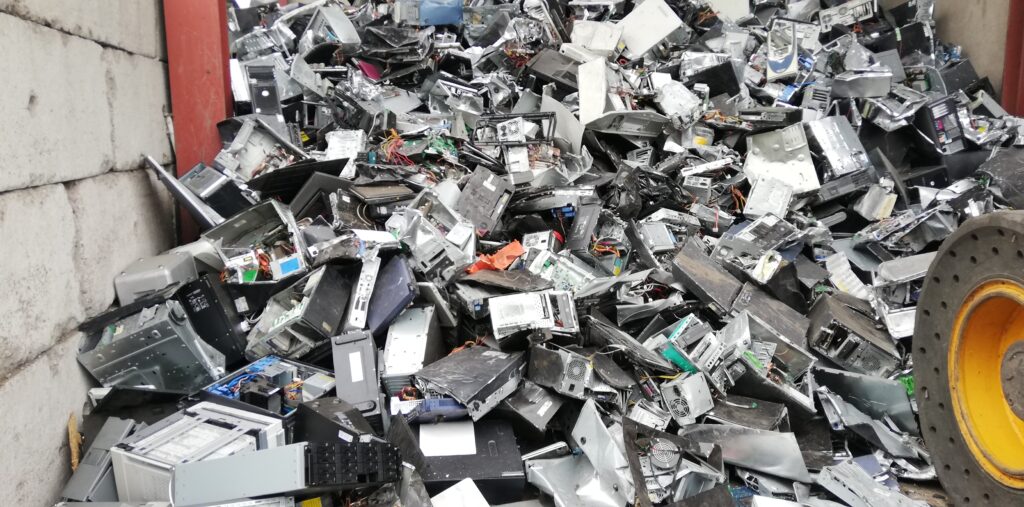
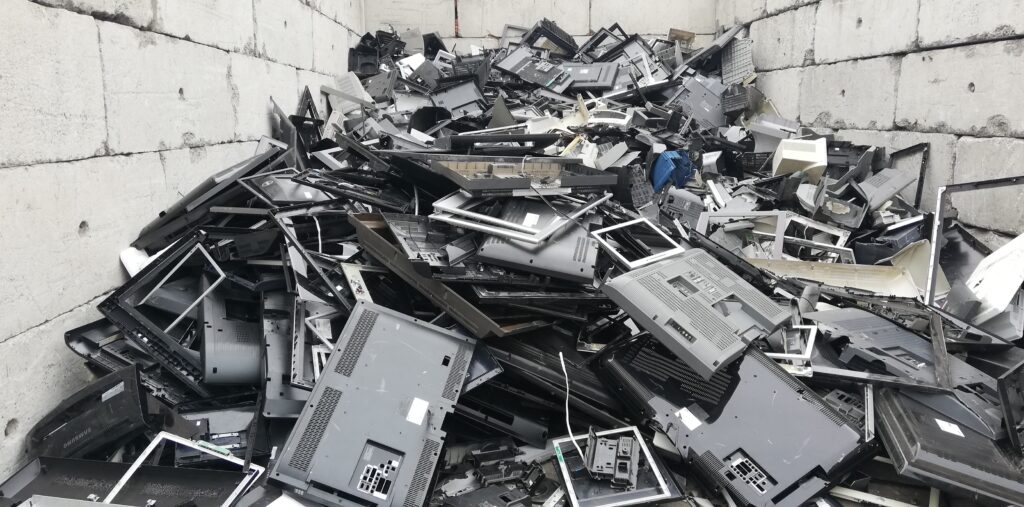
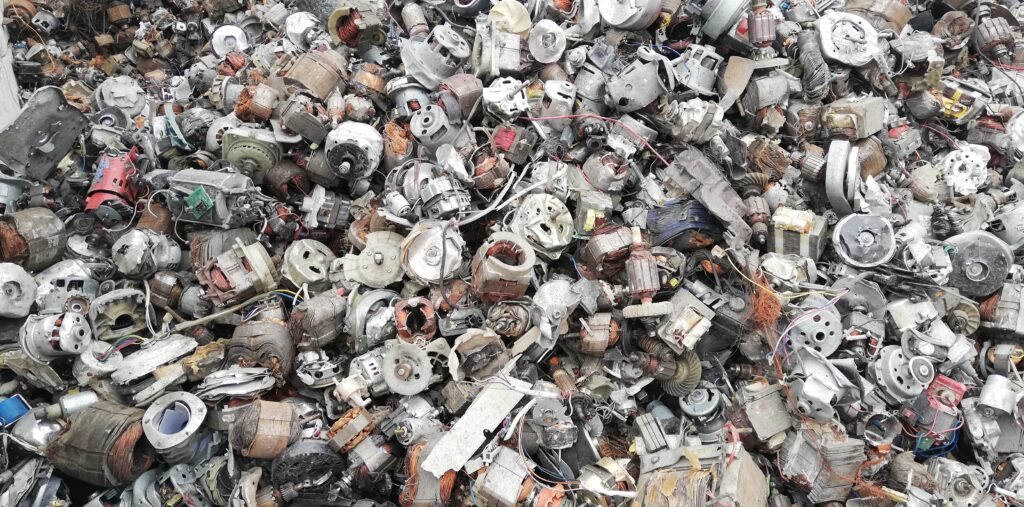
SWEEEP is at the more brutal stage of waste management. Computers, machines with motors, machines without motors,, light fixtures, completely unrecognisable things that make our lives easier (until they don’t any more), arrive at one end of the site before being dumped without ceremony onto the first of many conveyor belts, ending up eventually as ‘uncontaminated’ material stock, and that’s quite the task. And that’s before we get around to sorting all the batteries that lurk inside modern appliances, the hazardous substances that require extra-special handling, and the scourge of modern times the safe and secure disposal of our memories . . . those data banks occasionally come with an armed guard.
.
So: heaps of complex scrap at one end; while heavy duty bulk bags of aluminium; ferrous material; flaked circuit boards, glass, plastics leave the site at the other end, continuing their reclamation journey before re-entering the material supply chain.
.
It’s the complexity of the process that is the marked difference in waste management between now and then. Mountains of ash and clinker may have hidden the potential wealth of the Dust Heap, but it only took a shovel and determination to get to the buried riches. In an unexpectedly manual process, the modern salvager is obliged to keep eyes open for the potential contaminants that constantly pass in front of them. Batteries seem to be in everything and MUST be removed if the final, uncontaminated, product is to have any commercial value.
.
And modern stuff isn’t made of clay or tin; there’s a huge amount of plastic – of all types, useful and not. And the age of redundant product is another issue. Display screens are still coming through the system that use mercury-laden fluorescent tubes to provide backlighting. Again, for the health and safety of all of us, that mercury needs to be separated and contained.
.
The BS8887: remanufacturing lighting working group has been asking questions about how accessible lighting equipment should be and how easy it should be to deconstruct a fixture to allow for replacement of broken or exhausted components. I feel that a visit to SWEEEP should be mandatory for everyone thinking of taking up a career in industrial/product design. Advertising executives may not be interested in featuring the final minutes in the life of a consumer good, but a conversation with the people who are helping to reduce our dependency on ripping material out of the ground might be helpful in understanding how important it is to make those products breaker-friendly.
.
.
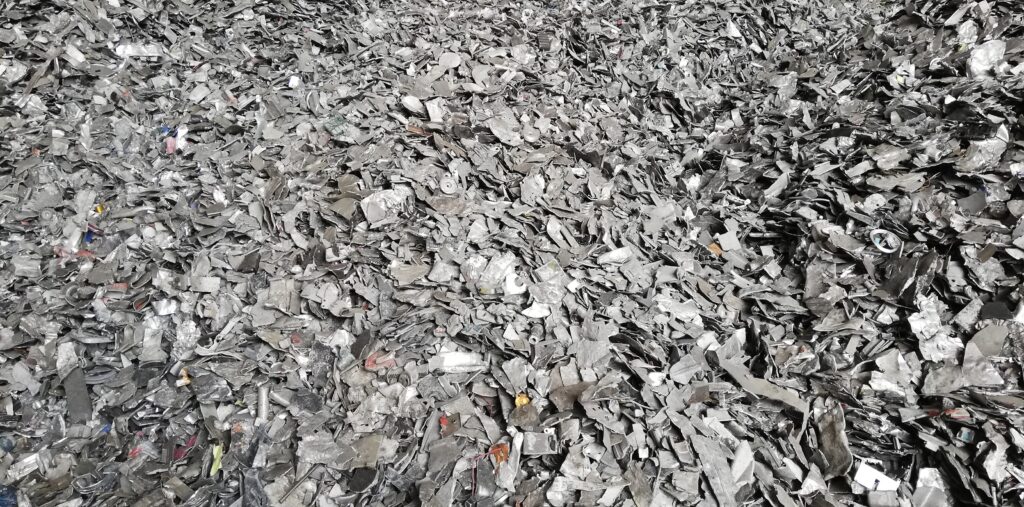
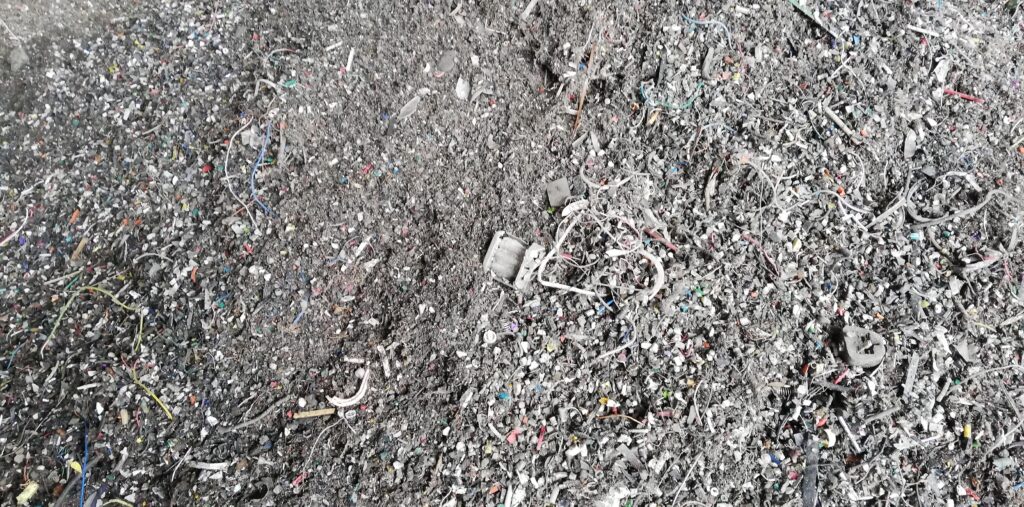
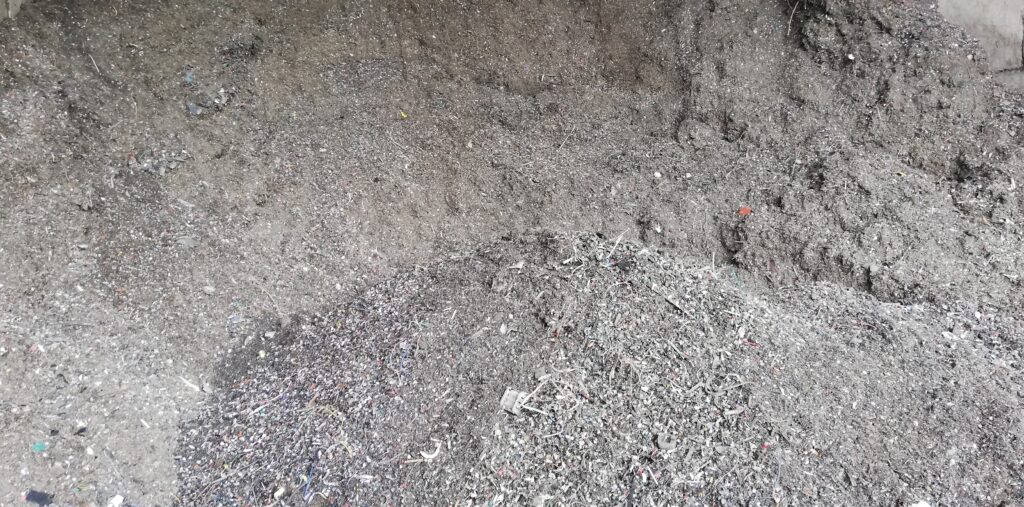
.
SWEEEP isn’t at the sexy end of material reclamation – there is no sparkling stream of gold or precious rare earths leaving the Sittingbourne plant, that all happens elsewhere. Bbut without their work we would be in a very sorry state indeed.
.
Oh – and while we’re here, for those of you who think that catA fit-outs are an efficient way to go about office lighting, here’s something that might make you change your mind . . .
.
.