


From Nocturnal Chaos to Restful Care Environments
A decade ago, you couldn’t walk through a lighting exhibition without having ‘Human-Centric Lighting’ shouted at you from every banner and brochure. Manufacturers were stamping HCL on cardboard boxes, selling off-the-shelf fittings as quick fixes to complex biological problems, and effectively turning what should have been a groundbreaking scientific shift into a discredited marketing buzzword. But while HCL as a sales gimmick fell flat on its face, circadian lighting design based on real human biology is quietly proving to be one of the most transformative tools we have in architectural lighting.
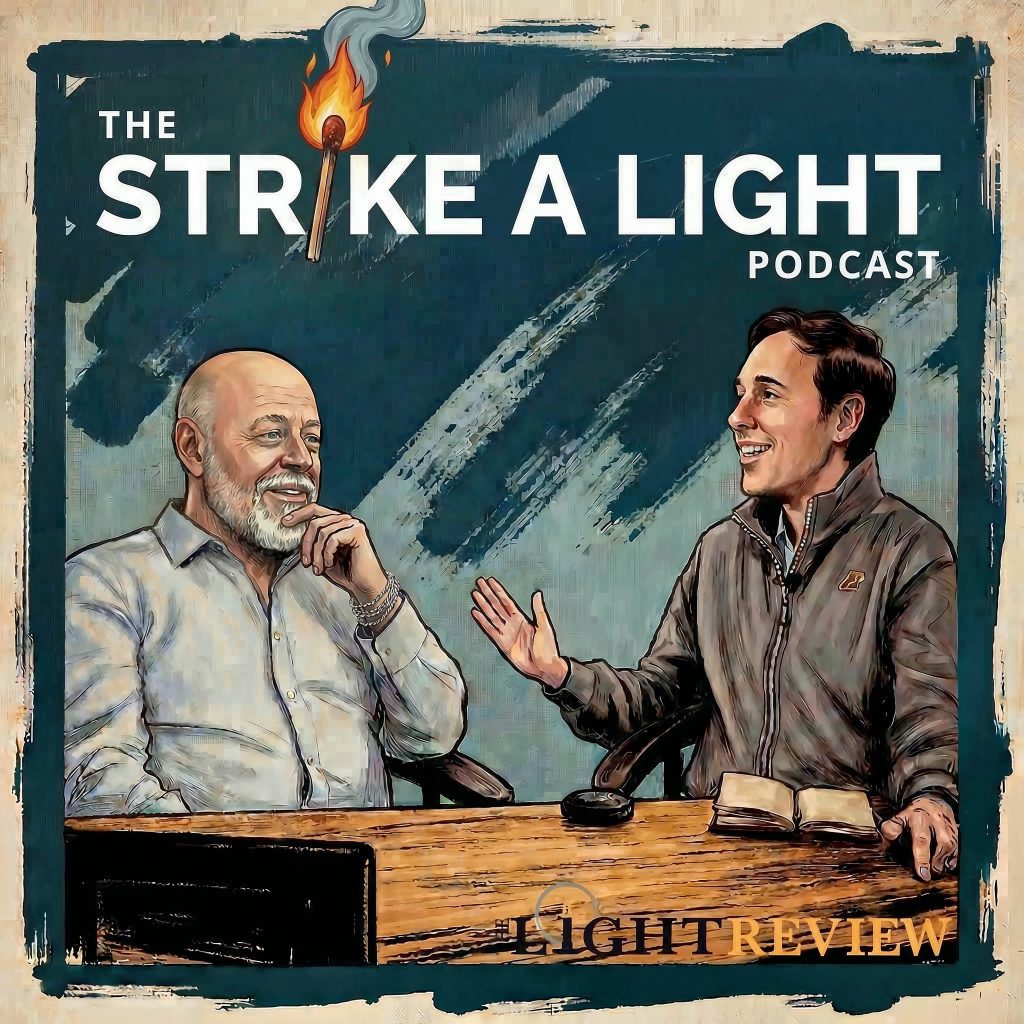
In this episode of The Strike a Light Podcast, Chris Fordham and I dive headfirst into the circadian lighting revolution, focusing on its dramatic impact inside care homes and 24-hour facilities. We tear into the debate between five-channel ‘scientific purity’ and commercially viable two-channel tunable white (2200K to 6500K)… examine how to balance resident sleep cycles with night-shift carer alertness… and break down why spending £2,000 per room on circadian lighting isn’t a CapEx burden, but a massive OpEx saving in reduced fall injuries, lower medication costs, and happier staff. Grab a brew, lighters all, and let us know… are you designing for real human biology, or still buying into the marketing hype??
Podcast: The Strike a Light Podcast
Hosts: John Bullock & Chris Fordham
Produced by: Duncan Smith for The Light Review
Episode: 10
“Human-centric lighting became a discredited phrase because manufacturers just stamped it on boxes as a simple solution to a complex problem. Circadian lighting, on the other hand, actually works… if you understand the biology and the commercial reality.”
Episode Summary
In Episode 10 of The Strike a Light Podcast, hosts John Bullock and Chris Fordham tackle one of the most controversial topics in modern architectural lighting: the transition from the discredited marketing hype of “Human-Centric Lighting” (HCL) to evidence-based circadian lighting design. Focusing on high-stakes environments like elderly care homes and 24-hour healthcare facilities, John and Chris dissect what actually makes circadian systems biologically effective and commercially viable.
The discussion explores the tension between theoretical perfection and practical application. While early purists insisted on complex, five-channel LED systems to strictly track the black-body radiator curve (leading several pioneer manufacturers to commercial ruin), practical designers have proven that two-channel tunable white (ranging from 2200K to 6500K) delivers over 95% of the biological benefit at a fraction of the cost. The hosts also examine the delicate 24/7 balancing act in care homes—maintaining calm, low-blue environments at night to help residents sleep, whilst providing adequate task lighting for night-shift carers without disrupting their own domestic sleep patterns.
Finally, the episode tackles the commercial hurdle of CapEx versus OpEx. Installing dedicated circadian lighting can cost around £2,000 per care home bedroom compared to £30 off-the-shelf fittings. However, John presents compelling evidence showing how these installations pay for themselves through dramatic operational savings: reducing fall injuries and broken hips, lowering prescription medication dependency, cutting night-shift carer turnover, and creating a healthier, calmer residential environment.
Key Takeaways You’ll Hear in This Episode:
- HCL Hype vs. Circadian Science: Why “Human-Centric Lighting” became a discredited marketing label, and how circadian lighting established itself through genuine biological research.
- The 2-Channel Tunable White Sweet Spot: Why affordable two-channel systems (2200K warm end to 6500K cool end) succeed commercially where expensive, over-engineered five-channel systems failed.
- Care Home Night-Shift Dynamics: How low-blue 2200K nighttime ambient lighting calms residents and reduces nocturnal wanderings while keeping night-shift carers comfortable.
- CapEx vs. OpEx Financial Reality: Why evaluating circadian lighting requires looking at total operational costs—offsetting initial £2,000/room equipment costs against massive long-term care savings.
- Beyond Illumination (Medication & Injury Reduction): How proper circadian entrainment leads to healthier residents, fewer hospital visits from falls, reduced prescription costs, and improved staff retention.
The Bottom Line
Circadian lighting is not a product you buy in a box—it is a holistic design strategy. By embracing practical two-channel tunable white and looking at total operational return on investment, lighting designers and care operators can deliver life-changing biological benefits that make economic sense.
🎧 Listen to the full episode above to hear the complete breakdown…
Don’t miss an episode!
Subscribe to The Strike a Light Podcast on your favourite podcast platform so you never miss an episode.
For more honest, expert insights into the lighting industry, visit The Light Review online.
Explore more about circadian lighting: www.lightcycleshome.com
About the Hosts