



Years ago, I wrote an article with the rather pointed headline: You mean you expect us to pay for this sort of stuff? It was born out of that recurring, teeth-gritting moment every independent lighting designer knows only too well, when a prospective client stares at your fee proposal as if you have just tried to sell them fresh air. Selling lighting design is notoriously tricky because, unlike an architect or an interior designer, you cannot hand someone a tactile sample or point to a finished structure before the work begins. Nothing actually exists until you switch that bugger on, and that intangible reality makes discussing money one of the most uncomfortable, fraught parts of running an independent practice.
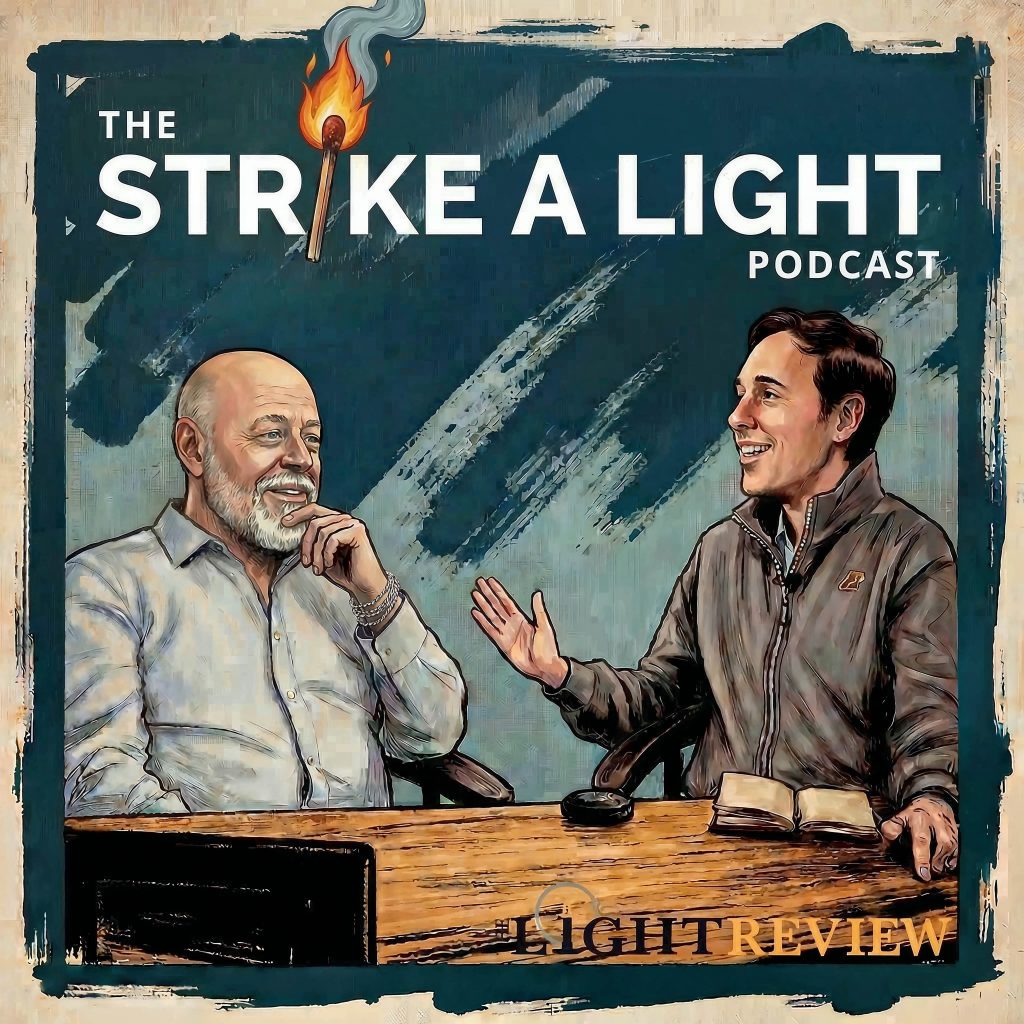
In this episode of the Strike a Light Podcast, my partner in crime Chris Fordham and I roll up our sleeves and tackle the messy reality of getting paid. From navigating the initial phone call (and sizing up whether the client is a lunatic or a delight) to dodging the trap of manufacturers offering backhanders or ghosting you after a day’s unpaid work, we share our battle scars from decades in the field. How do you protect your cash flow when building projects drag on for months, and when is the right time to walk away from a job entirely . . . ?
Getting Paid as an Independent Lighting Designer
Podcast: The Strike a Light Podcast
Produced by: Duncan Smith for The Light Review
Hosts: John Bullock & Chris Fordham
Episode: 15
Episode Introduction: “This is one of the topics from Chris, who wants us to talk about the thorny subject of how lighting designers get paid. I once wrote an article that was entitled, You mean you expect us to pay for this sort of stuff? And that was what this was all about.”
Episode Summary
Why is talking about money still the most awkward conversation in independent lighting design? In this episode of the Strike a Light Podcast, John Bullock and Chris Fordham confront the uncomfortable mechanics of fee proposals, client negotiations, and making sure the money actually lands in your bank account. As independent designers without commercial kickbacks from fixture manufacturers, our hosts unpack the unique vulnerability of selling an invisible service that cannot be experienced until the final switch is flipped.
Drawing on decades of hard-won experience across residential and commercial projects, John and Chris break down how to establish trust right from the first site visit. They explore why clear scope boundaries are essential, how to spot toxic clients before signing a contract, and why a formal invoice carries legal weight that informal promises can never match.
They also confront the darker side of industry practice, including suppliers who exploit freelance designers for free layouts, late-paying multinationals, and the dangerous temptation to wait months for RIBA project stages to conclude before billing. Packed with candid anecdotes and practical tactics, this episode provides a vital survival guide for any designer trying to run an honest, profitable business.
Key Takeaways You’ll Hear in This Episode:
- The Curse of the Invisible Product: Why selling lighting design is fundamentally different from other design disciplines, and how mood boards and structured milestones help bridge the gap before the lights are switched on.
- John’s Rule of Three: How to evaluate every potential commission using three simple criteria: an interesting project, an interesting client, and a profitable fee. If you cannot get at least two out of the three, do not take the job.
- Knowing When to Walk Away: Real-world cautionary tales of backing out of nightmare projects, from freezing building sites where first-fix is already botched to clients who demand total redesigns under a fixed fee.
- Beware the “Radio Silence” Trap: Chris shares a painful experience of dealing with a lighting supplier’s back-of-house coordinator who promised direct support, extracted design work, and vanished when technical questions arose.
- Invoicing Tactics That Limit Exposure: Why waiting for RIBA stages can starve a lighting practice for six months, and how breaking fixed fees into predictable monthly invoices establishes legal protection and preserves cash flow.
- The Apprentice Lesson: John recalls the golden advice from an electricity board delivery veteran: if a client offers you a deposit or upfront payment, take it immediately, because they will not offer twice.
The Bottom Line
You cannot build a sustainable lighting consultancy on goodwill alone. Protecting your practice requires transparent fee structures, regular billing cycles that limit financial exposure, and the confidence to walk away from unreasonable demands. By making yourself genuinely indispensable and delivering on what you promise, chasing money becomes the exception rather than the rule.
🎧 Listen to the full episode above to hear the complete breakdown of design fees, client management, and real-world billing strategies!
Don’t miss an episode!
If you enjoyed this honest look into the realities of modern lighting design, make sure to subscribe to the Strike a Light Podcast wherever you get your audio.
For more honest, expert insights into the lighting industry, visit The Light Review Online.
About the Hosts