

The first LIA Technical Forum of the year was given over to a dicussion of the Internet of Things (IoT). But what was most interesting were the people who were providing the information. Is the lighting control sector ready to take control of smart lighting?
We’ve been listening to the pied pipers of smart lighting for the past three years by my reckoning, but that elusive thing called ‘traction’ hasn’t really happened. We all think we know something about smart lighting; some of us can even make a sound argument for it, but whether we’re designers or manufacturers, there’s always been one nagging doubt; what is it really for?
And that’s the reason why I went along to Sketchely Grange Hotel in Hinckley, dodging the snow in the middle of January; I wanted to hear if anything different was on offer. And I think there was because, for the first time, I felt that a section of the lighting industry was presenting an idea that was THEIRS. Not an abstract idea of how the future might work, but a real-to-goodness system that you get hold of and make work.
I think the difference came because we were listening, in the main, to lighting controls experts – and what is smart lighting if not light control, using this crazy thing called the IoT to carry the messages. And once we realise that, in effect, that is ALL that smart lighting is, the rest of us can relax.
Getting the Smarts
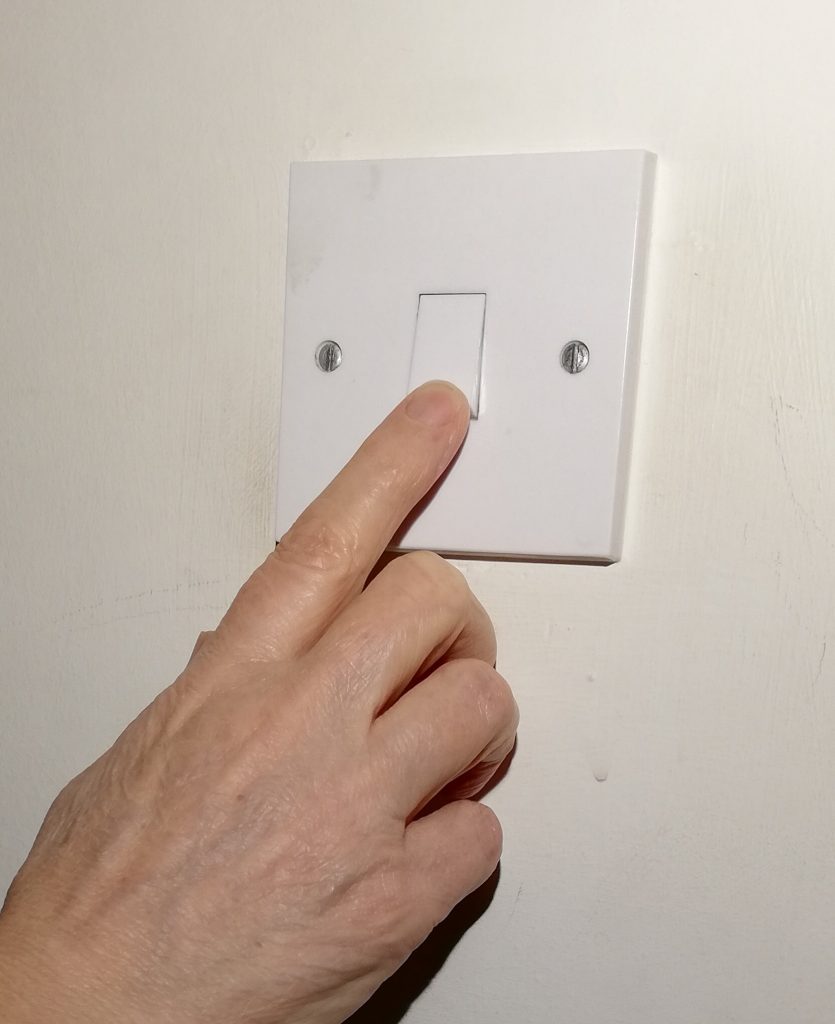
We’ve been bamboozled into believing that Lighting is smart, when – sorry to have to say this, but lighting itself is as dumb as a plug. The smart bit happens when we want to do something with it. A switch is connected to a light fitting – and nothing happens until something (or someone) clever decides that a change of state is required. Its dark, so let there be light; we’re leaving the room now, so let it be dark.The human brain, guiding the human finger is the smartest thing that there is (and, yes, I know how ironic that statement may seem in these clownish days). The thing with Smart Lighting is that we’ve just chosen to hand over the mechanics of switching our lighting to a bunch of electronic bits. They make those decisions for us. We’re lazy you see.
Lighting controls companies understand that; they get the lazy human picture – and the rest of us have been happy to let them get on with it. I’ve never heard a lighting manufacturer worry about how anyone will manage to switch their lights on and off. And that’s because we know how something as simple as a switch works, so we don’t fret about it. So if we can get our heads around the idea that the control mechanism is a Bluetooth Mesh Network, say, then we can leave it to get on with those things.
Leaving them to get on with it
From this point on in the story, its not really about lighting – if it ever was. Yes, it might be about energy management and good housekeeping – but its NOT about lighting. The thing that we call ‘smart’ is the management of stuff – data that tells you how much life you have left in an LED engine, the condition of your emergency lighting; whether there’s someone in a room, and all of that. Its all extremely useful and we should be applauding the cleverness of it all. And now that we know that its the lighting controls guys who’ll be having the conversations with the client, the rest of us can relax.
