

.
As designers and specifiers, we’re obliged to live in a world of numbers, and the higher the number – or perhaps the lower the number – the more likely a manufacturer is to win a specification. Can efficacy be that simple?
.
Don’t worry, that’s obviously a rhetorical question because if the answer was YES, OF COURSE IT IS, then that would make for a very short article. So, let’s go with the answer being NO, OF COURSE IT ISN’T and see where efficacy takes us.
In this article, we’re looking at the number that has the entire industry hypnotised; it’s the metric that’s most likely to be asked for, and therefore the number that’s most likely to be finessed to commercial advantage. And that number is the one that tells us, allegedly, how efficient a fixture is, measured in how many lumens are produced for every watt of energy expended; in other words, it’s a measure that describes how well a light source converts electrical energy into visible light.
Luminous Efficacy

In the days before the LED it was pretty straightforward; we put a light source into a luminaire and measured the total light output from the fixture (ignoring anything that was leaking out the back or sides of the housing). And that’s all there was to it because we already knew the lumen output of the light source, courtesy of the lamp manufacturers. And, as a consequence of all that, we knew how effective the luminaire was in collecting the photons within the optical system of the luminaire and pushing them out into the world. It told us whether the fixture was any good at doing it’s job.
What we didn’t consider:
The effect of dimming (or sometimes even from deliberate – and perverse – over-volting) of the source. We just turned everything up to FULL, with a ‘fixed’ supply voltage and a ’fixed’ control gear output where necessary.
Variable output criteria, from things like control systems, were attributes that could be applied post-installation. But, for the sake of comparing numbers, we had a level playing field (yes OK: -ish) when it came to basic luminaire performance.
What we have to think about now:
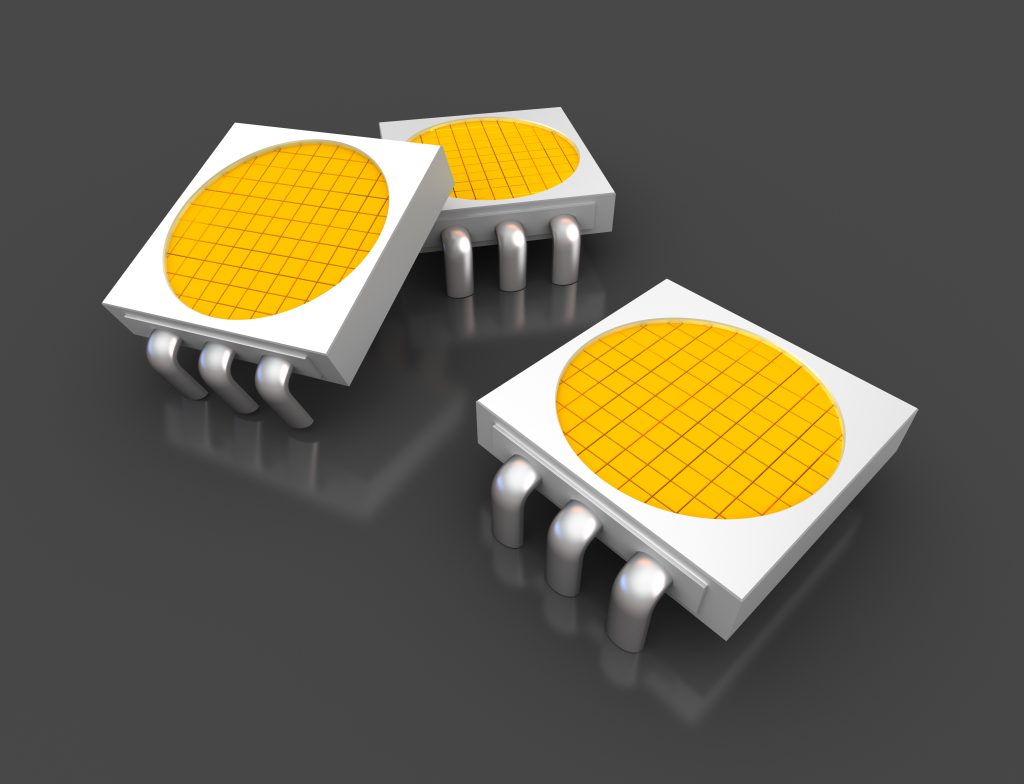
There is no ‘standard’ LED light output. The LED chip is simply part of an electrical circuit – and not just one circuit; there can be many iterations. There is no single ‘fixed’ control gear (driver) output. Everything can be tuned to suit the performance needs of the marketing department. There is no level playing field. No one thing necessarily compares with another thing. And there’s not just one number in the game.
How many luminous efficacies can there be?
At the last count, I’ve seen THREE lumen output figures offered for a single luminaire, (each with the same circuit power rating).
Source lumens: the source lumens come from the original testing of the LED chip during production. It’s the figure that tells you how many lumens radiate from the chip without the encumbrance of a luminaire. As numbers go, its pretty much useless – other than providing the occasional indication of how effective the optical system is at collecting photons and pushing them out into the world, and there are situations when that can be an embarrassingly low figure to have to justify.

Light engine lumens: we’re getting closer to a useful number as this is the one that tells you what happens when the LED chip is built into a module (the light engine) and attached to a (particular) driver. But it’s NOT the actual output of the luminaire; it’s a kind-of equivalent to the old glass envelope (light bubble) output.
Oh, and its useless as a comparator of similar (but still different) LED assemblies because there is no standard LED light output.
To add to the chaos, its also possible to have a light engine output that is higher than the output of the source output. Which is crazy – and not really a good idea, probably – but it is possible. Ladies and gentlefolk, I give you Thermal Management!
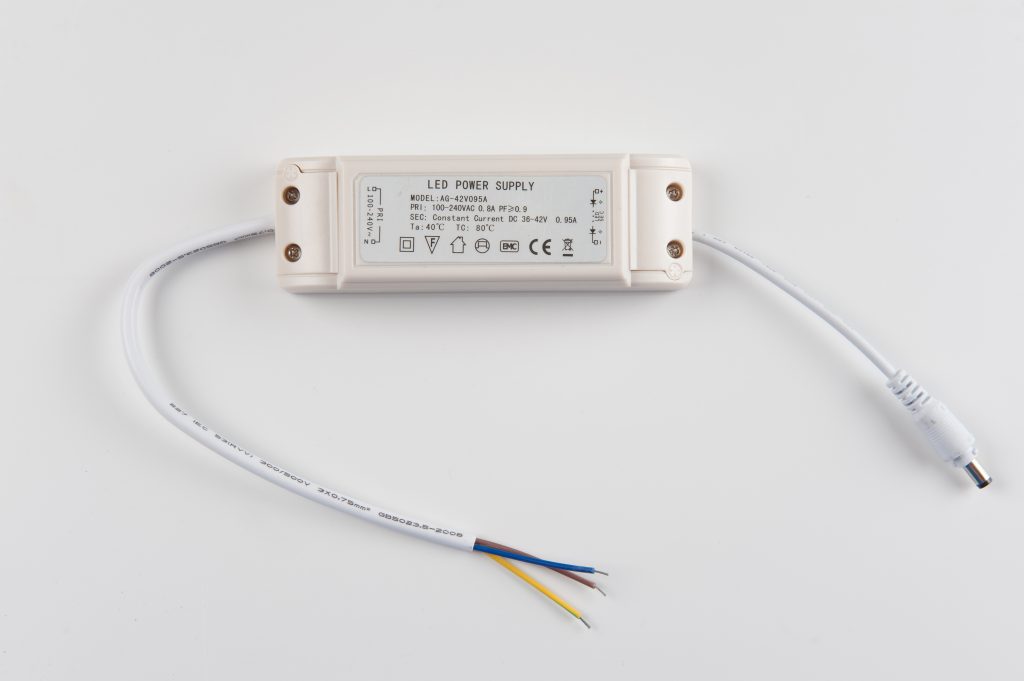
Luminaire lumens: and now we come to it. This is the figure that tells you the efficacy of a complete luminaire and what can be expected once its installed.
But beware; if you’re using remote drivers it might be worth double-checking that the driver in-use has the same characteristics as the driver that was used for the manufacturer’s testing. A money-saving trick with remote drivers is to take a no-name driver from the wholesaler shelves because it WILL be cheaper than the manufacturer’s recommended driver. How long it might last is anyone’s guess – including the people who built the damned thing.
To give you an idea of why all this might be important, here are three numbers that I’ve taken from a real datasheet, all relating to a single medium beam downlight, with a common (9.5W) power rating.
- Initial lumens: 915lm
- Light engine lumens: 766lm
- Luminaire lumens: 662lm
Now, I have no intention of getting embroiled in the limitations placed on luminaire specification by the demands of Building Regulations: Part L – Conservation of Fuel and Power, but I WILL get embroiled in the lazy practice of specifiers relying solely on a single luminous efficacy figure, without asking what that figure represents. What does that number mean?
Most manufacturers only provide one figure for luminous efficacy
And they don’t always tell you what that number actually represents. The – what shall we say – less scrupulous operators will go with the source lumens figure. It is, after all, the highest number, even though it’s clearly misrepresenting the product performance. It’s also the number that they don’t have to pay to test for, as it’ll come from the chip manufacturer. It doesn’t relate to the luminaire performance at all. It’s a cheat.
A note for the specifier: it’s essential to ensure that the luminous efficacy figures you’re applying are true and relevant. At some point, you may find yourself in a Value Engineering struggle and part of that cost reduction decision-making process will be to look at ‘equal’ performance of a cheaper luminaire.
If you don’t get your efficacious ducks in a row at the beginning it will leave you open to a sub-optimal substitution down the track. And that doesn’t help the client in any way at all.
.

.
.